This reveals a deeper misalignment. Accessibility is not an addition to architecture; it is a condition of how architecture operates. When treated as peripheral compliance, it becomes surface treatment. When treated as infrastructure, it becomes spatial logic.

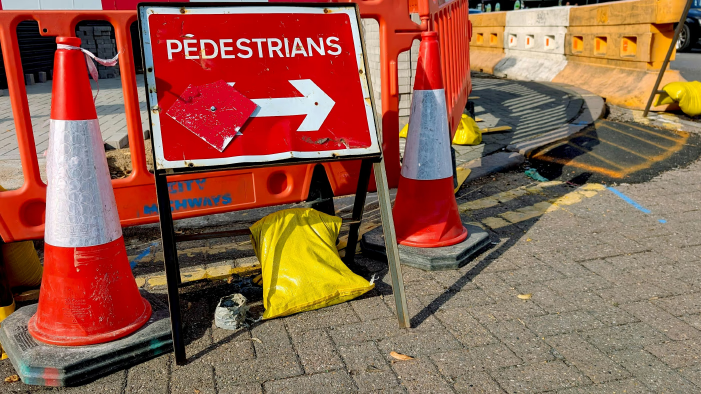

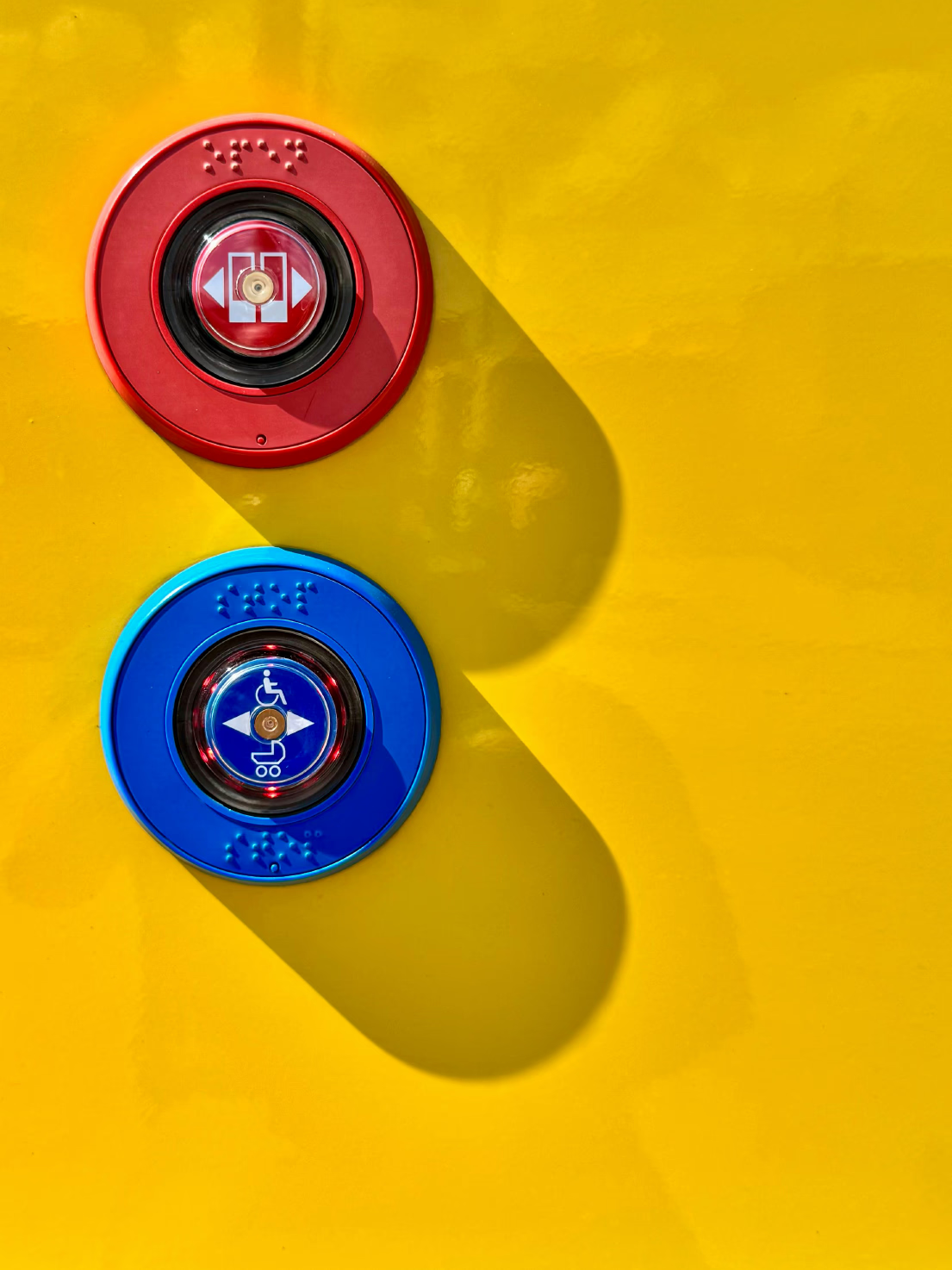



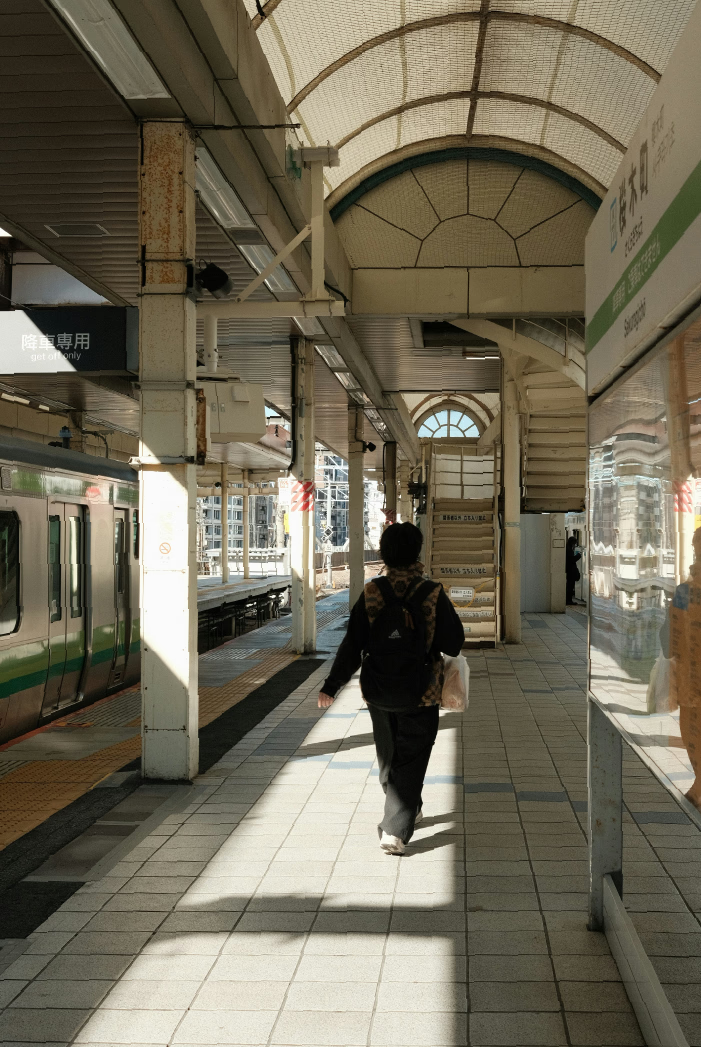
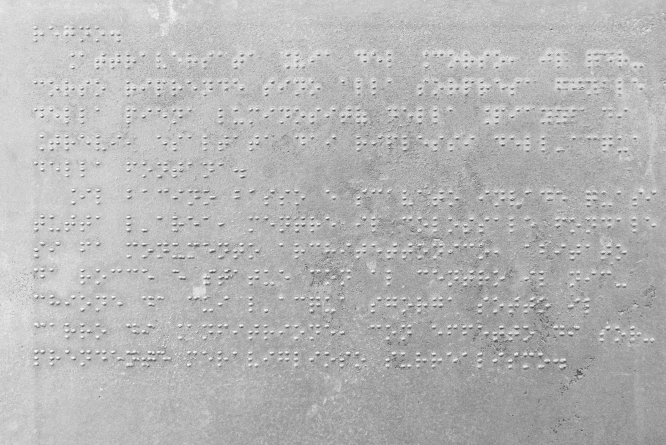
The problem is not the absence of tactile elements, but their disconnection.
Spaces may be filled with warnings, directional strips, and tactile signs, yet these cues rarely form a navigational system.
Orientation emerges from relationships — continuity, hierarchy, and differentiation across space.
Without this structure, tactile information remains fragmented.
Compliance secures presence; coherence requires organisation.
Tactile indicators are widely installed.
They mark edges, stairs, crossings, and platforms.
They satisfy dimensions.
They meet for inspection.
They are present.
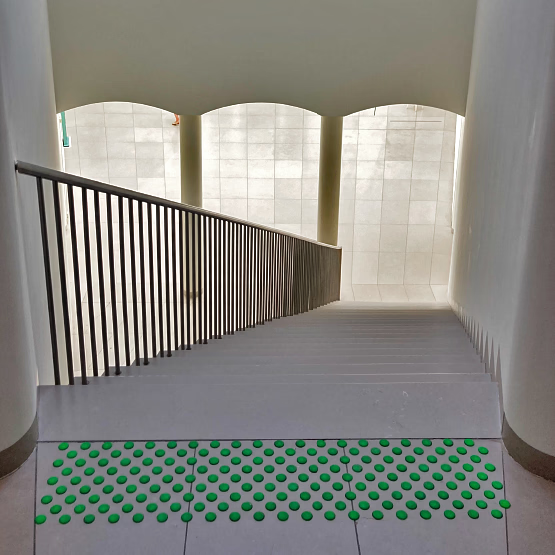
Navigation is not triggered by isolated alerts; it is constructed through continuity, anticipation, and relational awareness.
When tactile systems are reduced to episodic signals, they interrupt without guiding.
A surface may comply, yet remain silent in sequence.
GUIDE US TO THE STRAIGHT PATH
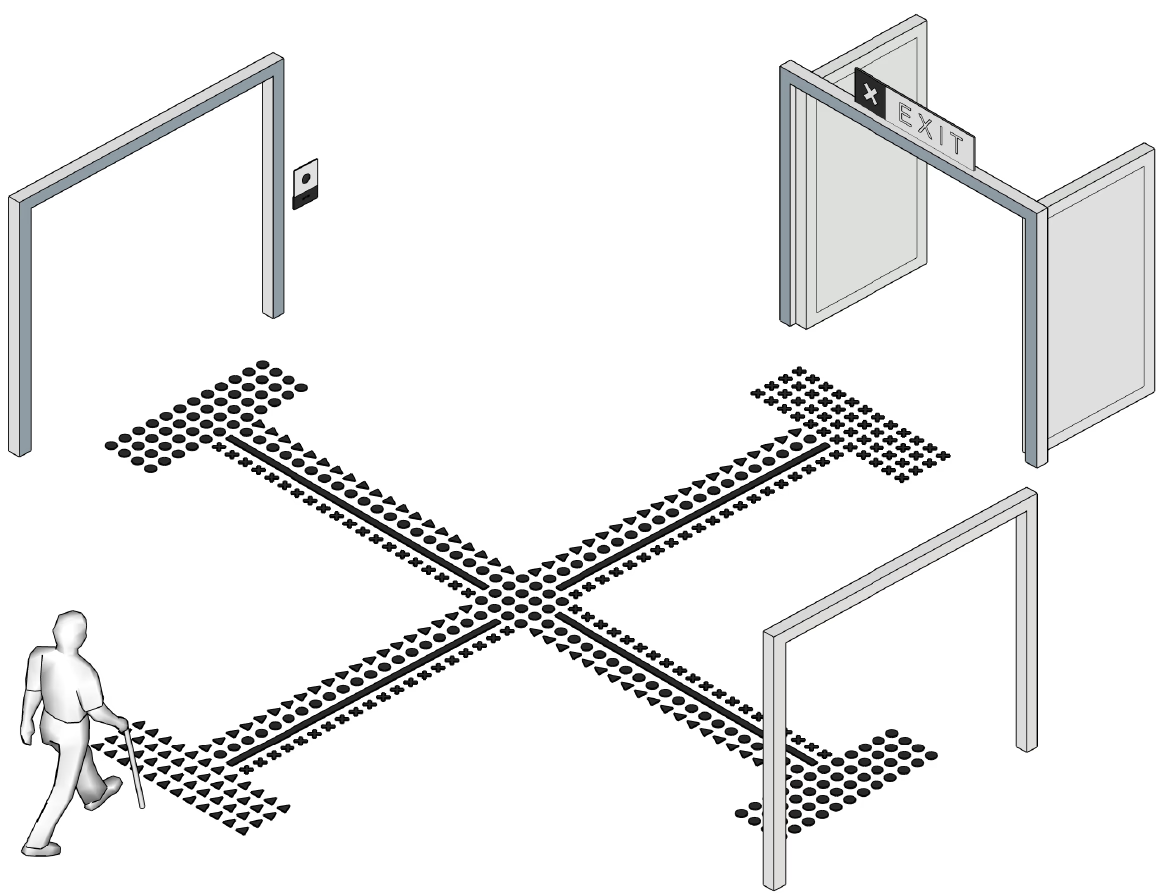
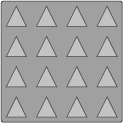
Dots, lines, and symbols appear as isolated signals—present, but rarely connected into a readable path.
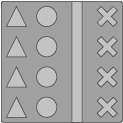
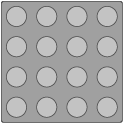

 =
Start
=
Start
 =
Episode
=
Episode
 =
Guidance
=
Guidance
 =
Finish
=
Finish

By embedding spatial logic directly into the surface, it organises indicators into a navigational field
—where scattered cues become part of a coherent route, and hierarchy, decision, and movement unfold as one continuous spatial system.